Regarding the Lip Pomatum, here are all of the posts grouped together! Read in one go or skip to:
- Easy Ways to Explode One’s Kitchen
- A Lip Pomatum (for the At-Home Apothecary)
- An Interesting Method for Skimming Wax
- A Partial Guide to Avoiding Casual Poisonings
- GOO
- Inciting hordes to riot
- The Pomatum for the Lips: An Old Friend
- Making Many Many Tiny Friends
Originally posted on The Minor Hours and Small Thoughts Magazine (issues 29, 31 and a couple different Minor Thoughts) and my regular blog.
Or! Head hack to the general Experimental Archaeology collection.
Regarding the lip pomatum
Easy Ways to Explode One’s Kitchen
Gentle readers may recall the start of my apothecarical interest was, to an extent, the joy of Syllabubs (in too many issues to list here)–but when I first started wandering into the world of household goods, my gateway drug was a simple recipe in Nicolas Lémery’s Arcana Curiosa: Or Modern Curiosities of Art and Nature.
I have hinted at what that process was like, but have only ever written it up elsewhere–let me share it here now, the first write-up I made in May of 2022.

Fig. 1. A second copy of a recipe originally printed in Issue 29, on the topic of Poisonings
and the avoidance thereof. I am in violent love with the use of ” ’em” in 1711.
The text reads:
A Pomatum for the Lips. Take Four Ounces fresh Butter, and an Ounce of Virgin’s Wax, melt ’em together, and when you have boil’d a Quarter of an Hour, strain and take your Pomatum from the FIre; then take Two Spoonfuls of Orange-flower-water, with which boil again and again; then thicken with a little Orcanet, which you have diluted with some Orange-flower-water, and beat up your Pomatum with a Spoon, taking it from the Fire and setting it to cool.
In my first experiment with this pomatum, I changed the butter for coconut oil, because of who I am as a person. I also used a cleaned yellow beeswax (note: in the recent past I tried a rendered white wax and it looked unfortunately like an unappealing paraffin when complete, and so I would not recommend it).

Fig. 2. Behold, the bad beginnings of my very tiny lightbox for overly arty photography.
I forgot to boil everything, but I did leave it on the range for about thirteen minutes or so before bothering it with the next instruction or ingredient–the wax and oil melted very quickly (surprise surprise), but it did smoke a bit further into the process, so I wonder if anything got burnt off. (Something something burning points something? Perhaps.)
What with the 21st-century purity of the stuff being used, there was no reason to strain anything, so I skipped that step–which, put a bookmark on that, because it may have caused me to move on to the next step slightly too fast.
Orange-flower water I had in abundance–

Fig. 3. And the brand I recommend is Cortas.
–and I prepared a soup spoon (since that seemed closest to whatever “spoonful” might be in these contexts). However, upon dropping in the spoonful, I very quickly discovered that without a moment or three for everything to cool down, what happens is that the entire mix explodes in an astonishing fountain of aerosolized wax.
Behold, the aftermath on a stove-top:

Fig. 4. I’ve heard of cleaning with elbow grease, but this is just unreasonable.
I prudently removed the mixture from the flame at that point. I less than prudently tried putting in the second spoonful, because obviously I only had the theory that that was a bad idea, and as we all know science requires that results be reproducible.
Even with my small sample size, I afterward felt confident in my conclusion that one should wait until the mixture has cooled somewhat–and possibly been strained, just to add more air–before adding the flower water.
After the various explosions, I did try to “boil and boil again,” but it didn’t seem to do much. I instead just stirred it every once in a while while I was mixing up the next bit of the recipe.
As I mentioned previously, I do not enjoy the concept of casually giving others liver damage, so for this first batch I ended up switching the alkanet with arrowroot powder and cosmetic-grade colored mica. The mica did give a nice color, but the arrowroot creates a…fascinating goo that must be discarded, and the majority of the mica gathers within it.

Fig. 5. A lovely photograph of mostly discarded ideas.
To be honest, though, I’m not sure how much the arrowroot actually thickened anything, and I’m really not sure the mica added any color. I think I’m going to need to try something more robust in future if I want to replicate the alkanet effect.
As I mixed that all together with a little more orange-flower water, I took the wax mix off the stove and set it to cool. Feeling that I had Learned My Lesson somewhat, I also hauled some ice packs out of the freezer and set it up around the saucepan to cool it faster (because “patience” is something that happens to other people).
I was, after a minute or so, able to put tiny drops of the mica mix into the wax-and-oil. They spat and rang a bit, so if that sort of alchemy excites you, hooray. That being said, I should have probably let it cool even further–so let us say, if you put anything into the superheated wax and oil, add first a tiny drop, and check to see if it sinks and solidifies a bit like an egg yolk in its shell–that seems to be a good level of warmth/chill to do the next bit.
The instructions say to “beat [it] with a Spoon”–I found, however, that a tiny whisk was infinitely preferable. As soon as the mica was thoroughly mixed into the wax (which took a couple of minutes, longer than I would have assumed), I then hauled out some lip balm sampler containers, spooned some of the finished pomatum into them, and threw them in the freezer because, again, I am Patience Personified.
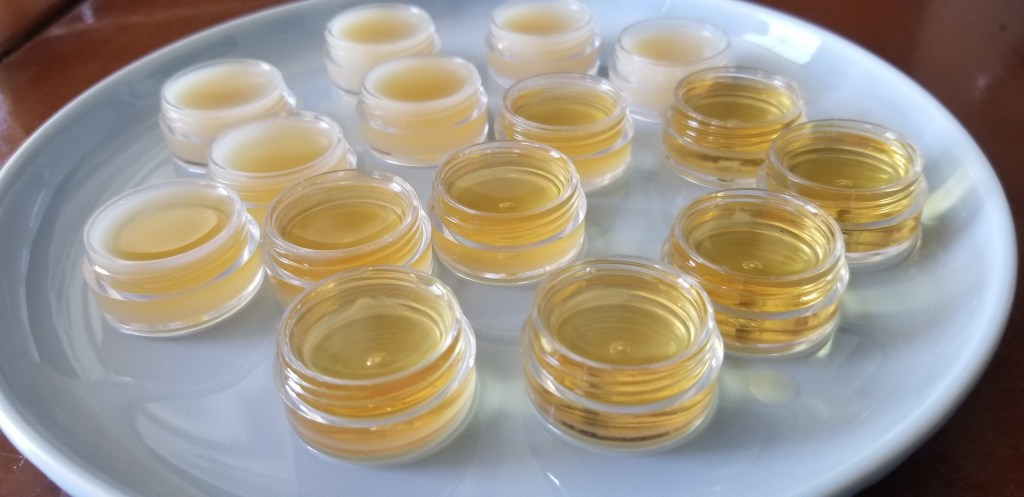
The finished product was, to be frank, kind of lovely to look at:

Fig. 6. Something far prettier than it has any right to be.
I took the opportunity to scoop up some of the warm pomatum and apply it on some of my dry skin–it soaked in very easily, though left my hands a little greasy. As a lip balm, though, it was and is excellent. When cooled, it’s definitely a more solid kind of balm, but it still melts excellently and not too fast:

Fig. 7. There is no square millimeter of dry skin upon my person
that I have not put this mix on at one point or another over the last two years.
…But here’s the thing.
When I first tried this pomatum, I was deeply surprised to learn how little the “old auntie’s potpourri” smell remained from the undiluted orange-flower water. Instead there was a certain…depth. Similar to the more woodsy/herbal scents that I also happen to favor, like sandalwood and such. But also a sweetness? My lips didn’t taste of anything I could readily discern, but I was very happy to have the scent of the pomatum wafting upward.
I then left my apartment for about an hour; enough time for my sense of smell to return to neutral, so that I could return and get a fresh impression of what cooking this stuff–or, let us say, using it regularly–would make the environs smell like. I was fully expecting something smoky and unpleasant that I just hadn’t clocked when I was still in the apartment.
And gentle reader: It. Smelled. Like. Cookies.

Fig. 8. Look at them. These tiny little perfect cookie spheres based on a recipe
from over three centuries ago. That I have the power to create whenever I want.
A Lip Pomatum (For the At-Home Apothecary)
Now, in 2024, after two years of experimentation and study, I have a proper recipe that you, gentle readers, can also follow.
- 4 ounces (1/2 cup) oil, coconut or sweet almond
- 1 ounce clean yellow beeswax
- 2 teaspoons arrowroot powder
- 2+ tablespoons room temperature orange-flower water
Set your cooktop to 130℉ (a low simmer). Fill a small pan with a scant 1-inch of water and set it to heat. Put oil and wax into a silicone melt pot and put in water to create an ad hoc bain-marie. Melt for 15 minutes or until completely incorporated together. Take off heat, whisk to aerate and cool enough to add orange-flower water. (TEST TO AVOID EXPLOSION.) Heat again for 5 minutes; while heating, make a paste of more orange-flower water and arrowroot powder in a small cup. Take off heat, add arrowroot paste, and whisk together for several minutes until completely mixed. Pour into containers; there may be an ARROWROOT GOO that sinks to the bottom of the melt pot. Try and avoid pouring it into the containers, but if it does, it can be spooned out again (though it will not have as nice a top to it). Makes about 20 5g containers–but probably more.
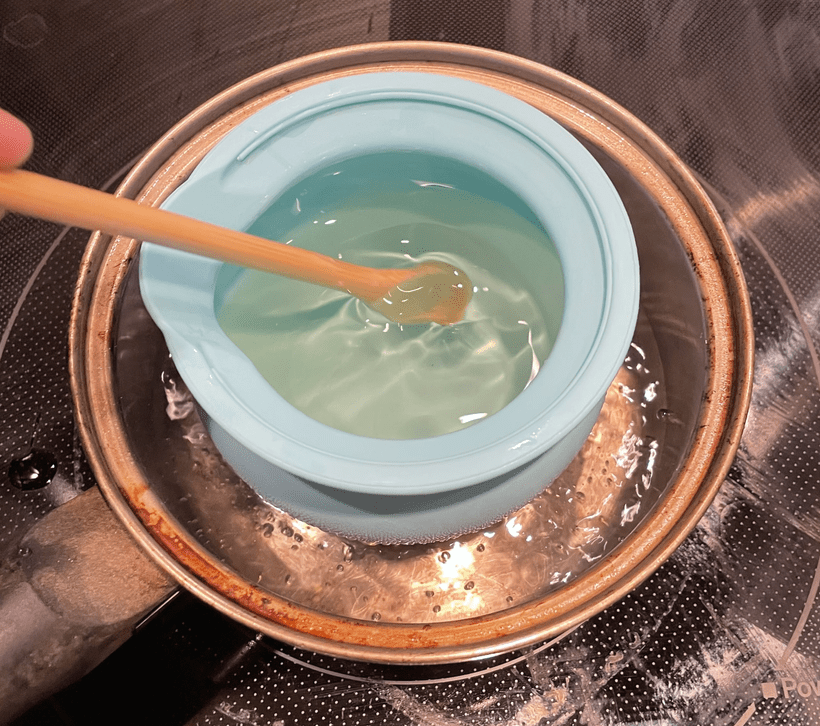
Fig. 9. BE ADVISED: ALL TOOLS USED WILL BE SACRIFICED TO THE BEESWAX GOD.
An Interesting Method for Skimming Wax
As long-time readers may recall, part of my overall journey toward kitchen witchery and experimental archaeology has involved finding and working out the recipes behind historical foods, cosmetics, and home goods.
The most recent of these that exist within the “fairly complete now, thank you” category is the recipe I’ve worked out for a pomatum suitable for the lips, variants of which I’ve found in several old scanned and OCR’d texts, with the mid-1600s being the earliest occurrence so far (and somehow involving– grapes?) and the latest appearing in and around the 1710s.
I would share that recipe but, sadly, I have done so elsewhere; instead, let me share a stranger revelation: the matter of wax, and its cleanup.
One batch of this pomatum requires an ounce of beeswax. I have lately been made aware that beeswax is not a grease, and therefore dish soap has no power over it; it is also not a fat, but woe be to those who seek to pour it down a drain, lest it solidify just as much as a fat might when cooled.
Following the recommendations of those who have come before me in the modern age, I have instead tried to boil the wax off of whatever objects they come in contact with. This works– to a degree. Since the wax does not magically disappear, I can at best only transfer the wax from one object (my pomatum-making tools) to another (the large pot I found at the thrift store and am sacrificing for the greater good to the wax gods).
There is, however, an intermediary step: skimming.
As the wax melts in the boiling pot, it leaves its moorings and floats to the top of the heated water. From there, a small mesh strainer, as one would use to hoist out a dumpling or, indeed, skim the top of some liquid creation, can be used in a nice repetitive manner to remove the majority of the melted wax.
–Or.
I found, as I skimmed, that I wasn’t truly gathering everything. I knew this to be the case because using the strainer was actually my second attempt at collecting wax. The first was the slow but incredibly effective method I found while hunting around to begin with: that of the Cold Metal Spoon.
Take a metal spoon and, in its bowl, set an ice cube (or however many should fit in it). The metal now instantly chilled, draw the back of the spoon across the top of the hot, waxy water. The wax, hitting the cold spoon, will immediately cool and cling to the metal, allowing you to collect far more wax that the mesh strainer managed.
As a demonstration, behold:
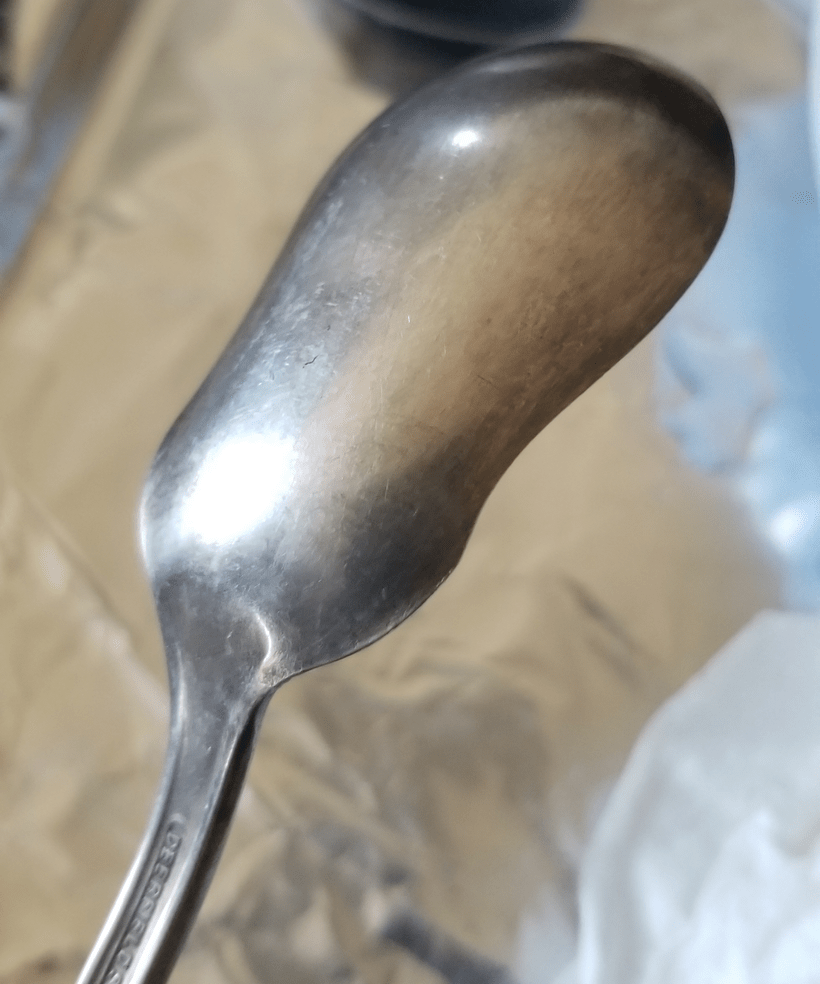
Fig. 1. The back of an as-yet-unwaxed spoon.
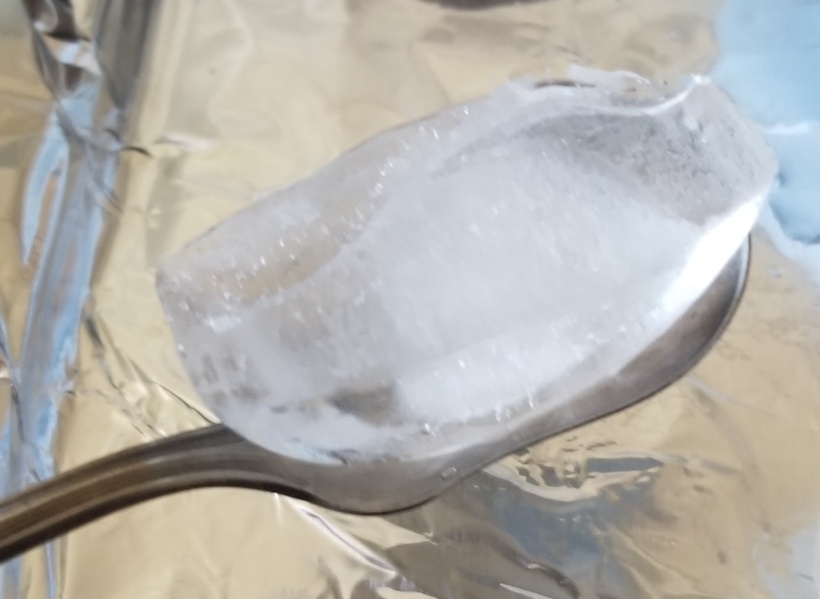
Fig. 2. Spoon avec ice.
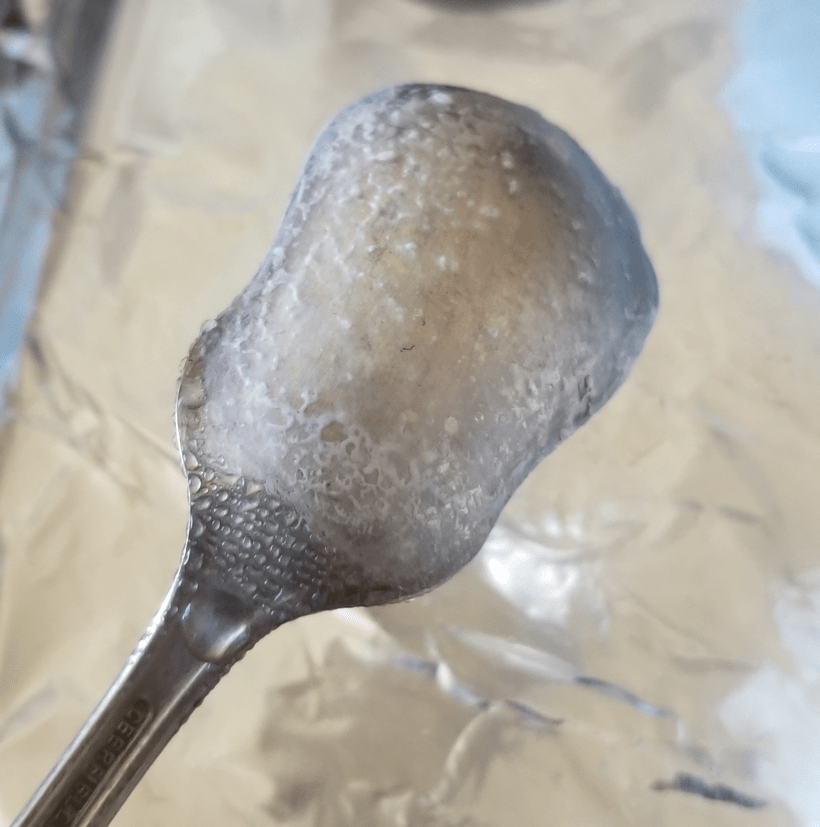
Fig. 3. Besmirched!

Fig. 4. The lady, half revealed.
I am, overall, extremely pleased with this method, and only seek now to find a significantly larger metal ladle.
A Partial Guide to Avoiding Casual Poisonings
With the success of the lip pomatum, I’ve found myself eager to explore historical recipes further. This leads, unfortunately, to two additional concerns: (1) determining the modern-day equivalent of various ingredients, and (2) ensuring that those same ingredients are not, in fact, poisonous.
[Interestingly, the tertiary concern of “is it legal to seek out or possess these ingredients” does not appear to have made this list. -Eds.]
Even the pomatum itself required some of this research.
Fig. 5. A recipe containing two bad ideas and one very good way
to explode a fine mist of wax over one’s entire kitchen.
Of the bad ideas, let it be said that:
Fresh butter was an English addition to this receipt. The original French listed sweet almond oil, which contains significantly less likelihood of poisoning the users of the pomatum through molds, bacteria, and the general horror of applying butter to one’s face.
Orcanet required some study, but revealed itself to be an older spelling of alkanet, or what we now might purchase under the name alkanet root, Alkanna tinctoria, or ratan jot. While it is a popular colorant for the makers of “natural” cosmetics, there is some concern regarding what happens to the livers of people who ingest it, and it therefore seems unwise to include in a lip balm.
(Hilariously, the receipt itself only lists orcanet as necessary for thickening– and assuming that that was the case, I replaced it with powdered arrowroot and went about my business. However, in researching alkanet, I didn’t see any particular mention of thickening properties… but I did see that while in alkaline solutions, alkanet turns blue, in acidic solutions — such as any that might contain orange-flower water and sweet almond oil — it turns a lovely shade of crimson.)
(But it was included in this receipt only, of course, for thickening.)
Of the good way to explode one’s kitchen, let it be said:
An important lesson can be learned regarding the application of room-temperature hydrosols to a wax-and-oil mix heated to somewhere above 145 degrees Fahrenheit.
The lesson is “don’t.”
GOO
I’m in the workshop making lip balm because I have been INTERVIEWED by my alma mater and have been asked for action photos of me working that AREN’T just terrible soap mistakes or free advertisements for Dunkin Donuts coffee.
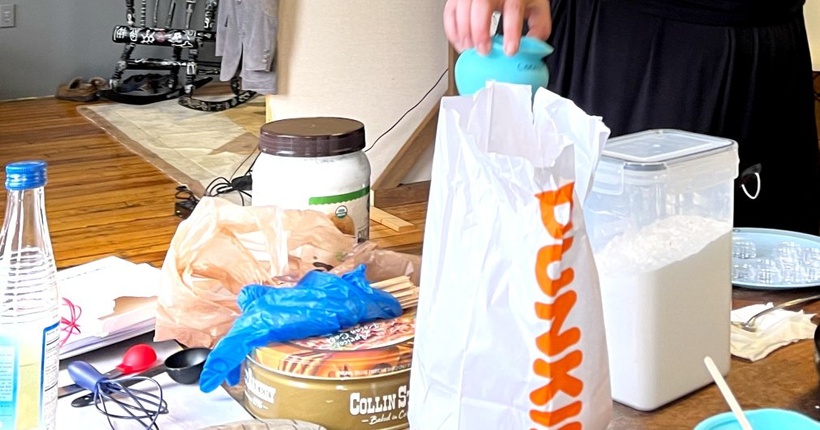
Figure 1. Historically accurate apothecary, probably.
My excellent studiomate, Matt Burgos of Inkblots and Snapshots, kindly agreed to hang out and take pics (which will probably become Real Marketing Nonsense soonish), and he managed to capture me doing a particularly good pour into several tiny tins.
…Which is good, because the second batch Did Not Fair As Well.
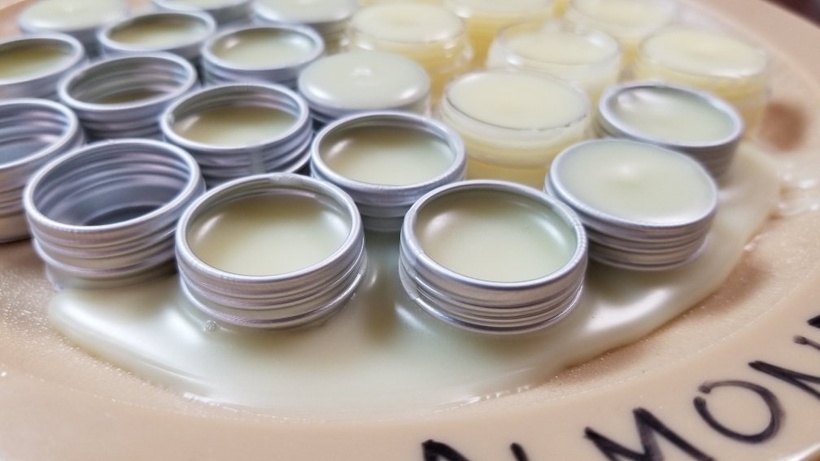
Figure 2. THAT IS NOT WHERE LIP BALM GOES.
He also missed the gooey bottom of the batch, where the leftover arrowroot that didn’t fully incorporate hangs out and squelches cheerily.

Figure 3. A rogue and a miscreant. (Technically edible.)
And now, god help me: the clean up.
Inciting hordes to riot
Or alchemy, same difference.
I’ve slightly mentioned that these are write-ups from earlier/elsewhere that I’m transferring to a more useful/linkable place (i.e., HERE, FRIENDS) until I’m all caught-up and can start telling tales in real time. I’ve got myself on something of a timeline to finish the transfer process because of certain THINGS I hope to have CONFIRMED SOON, so expect more frequent posting.
(And if there is a Narrator waiting in the wings to provide commentary on the likelihood of the above, please do me at least the kindness of waiting until I’ve left the room.)
In that Elsewhere place I was posting I sometimes received queries about my shenanigans, and even sometimes news that others had joined in on the fun. While it seems injudicious to copy over other people’s commentary for a number of reasons, here is a brief summation of a message I received at this point in my historical journey:
- They made the lip balm! But it was a different color than expected, and also very coconut-y.
- They also made the pearl pomatum, even before I had done so myself, based on the recipe I had shared! But it was waxier than expected, and therefore face-application seemed… unwise.
Below, find my more thorough reply.
The Pomatum for the Lips: An Old Friend
As I said to the Gentle Reader who contacted me: With regard to color, the only experiment I really tried with that was adding colored mica, and I only did it the once. I’ve never tried alkanet (because Potential Liver Problems), and while I’ve considered trying tumeric or similar I’ve largely shrugged and backburnered that aspect for now. However, you can see a bit in this photo the color differences between the first batch (with the mica) and subsequent:

Figure 1. The first three versions of the lip balm. Bottom left (v.1.1) has the mica,
and is slightly more orange-ish than the other two.
With regard to the coconut smell, I’ve found that I have to be very generous with the orange-blossom water at several stages of cooking in order to keep it present as a scent. While my initial recipe calls for only two “spoonfuls” (which I decided meant a soup spoon of some kind), as of version 3.0, I now specifically use 2+ tablespoons (2 in the original mix, enough extra for the arrowroot, and then… idk, a bit more to Vibe as needed, so it really comes out to more like 3 Tbs). I have notes for 3.1 to up the count to 4-5 Tbs, though we’ll see what that does to the consistency. These days, though, I also almost always make two variants of each version: one with coconut oil, and one with sweet almond oil (as described in the original French recipe!).
And do I have a favorite? No, I do not. I love all my children equally.
More recently (and not part of the original answer above), when I was in London in January I was also asked about the color of one of these lip balms. In something of a panic, I replied that whatever unexpected color was seen was due to my, uh, face. Skin. Faceskin. Whoops! Ahahahaha.
But readers– I lied. Because I had, instead, discovered two important things:
1. Tablet pills will, if kept over the course of even a few short hours in a tin of lip pomatum, lose whatever virtue they originally possessed and crumble into dust the moment you attempt to lift them from their balmy bed– and, evidently–
2. I had forgotten to take my midday meds.
The remnants of the pill were hastily scooped out, but traces of its (very very not natural) color remained, and it was this disastrous palette of poisons that was very politely asked after.
…To the hapless persons who suffered the mortifying ordeal of me trying to play off the color purple as just “one of those skin things”– you have my most sincere apologies.
Making Many Many Tiny Friends
I had for some time wondered what would happen when my various apothecary nonsense things went bad. I sometimes had things that turned out strange, and some things that didn’t set right and turned out gross, but eventually the day did come when I had something TURN BAD from OLD AGE.
Observe! Early-version lip balm from over a year prior that I had decanted into a larger tin because I’d run out of little guys, which had been living under my work computer for, uh, several months.
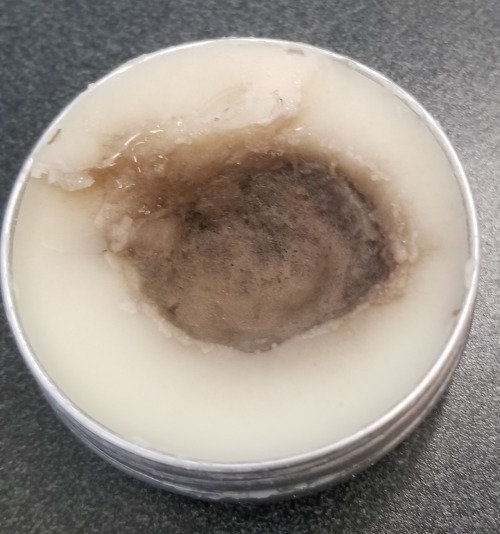
Figure 1. Pretty sure that’s mold, folks!
So the lesson here is:
- Keep an eye on your cosmetics
- Don’t create weird environments for tiny friends under your work computer’s variable temperatures
- Be prepared for SCIENCE to attack you in the FACE unexpectedly and with INTENT

