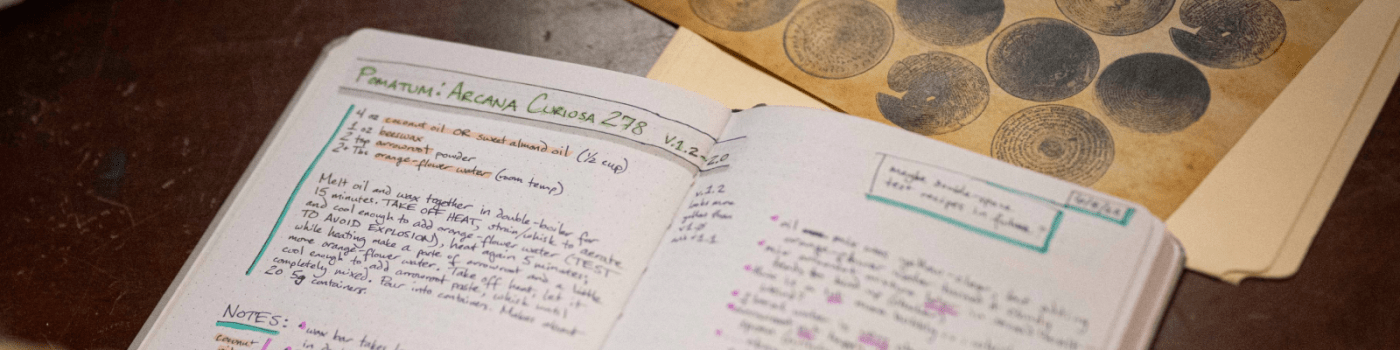
Looking for specific essays from both my regular blog and The Minor Hours and Small Thoughts Magazine related to historical research and experimental archaeology? Pick your (hopefully figurative) poison:
- Regarding the lip pomatum
- Regarding soap
- Regarding the pearl pomatum
- Regarding scents
- Regarding food
- Regarding troches
- Regarding general history and apothecary
- Regarding ingredients
- A chronological history of the Historically Inaccurate research
Looking for where I make the excess results of my experiments— plus anything else my folklorist/gremlin/fiction writer’s heart desires— theoretically available for purchase? Pop over to Historically Inaccurate.
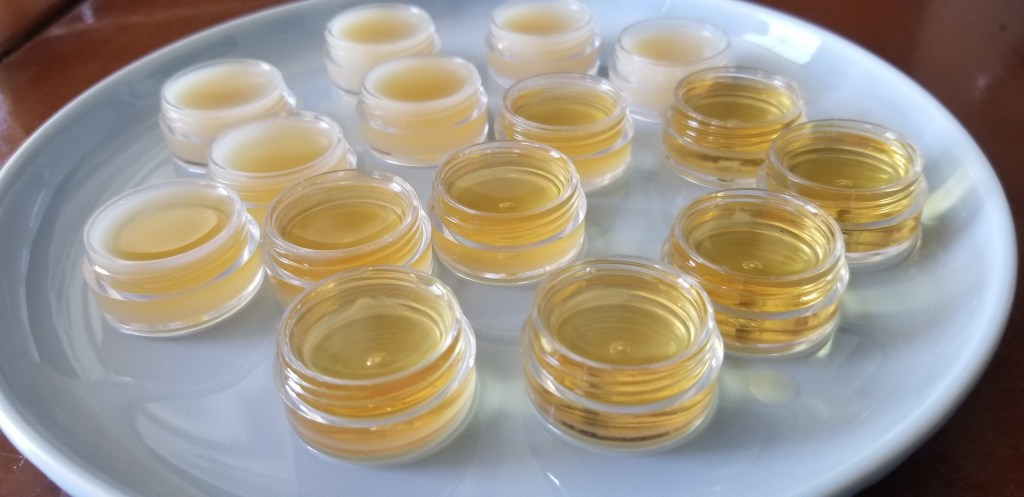
Regarding the lip pomatum
Easy Ways to Explode One’s Kitchen
(Issue 31)
Gentle readers may recall the start of my apothecarical interest was, to an extent, the joy of Syllabubs (in too many issues to list here)–but when I first started wandering into the world of household goods, my gateway drug was a simple recipe in Nicolas Lémery’s Arcana Curiosa: Or Modern Curiosities of Art and Nature…
Keep reading
A Lip Pomatum (for the At-Home Apothecary)
(Issue 31)
Now, in 2024, after two years of experimentation and study, I have a proper recipe that you, gentle readers, can also follow.
Keep reading
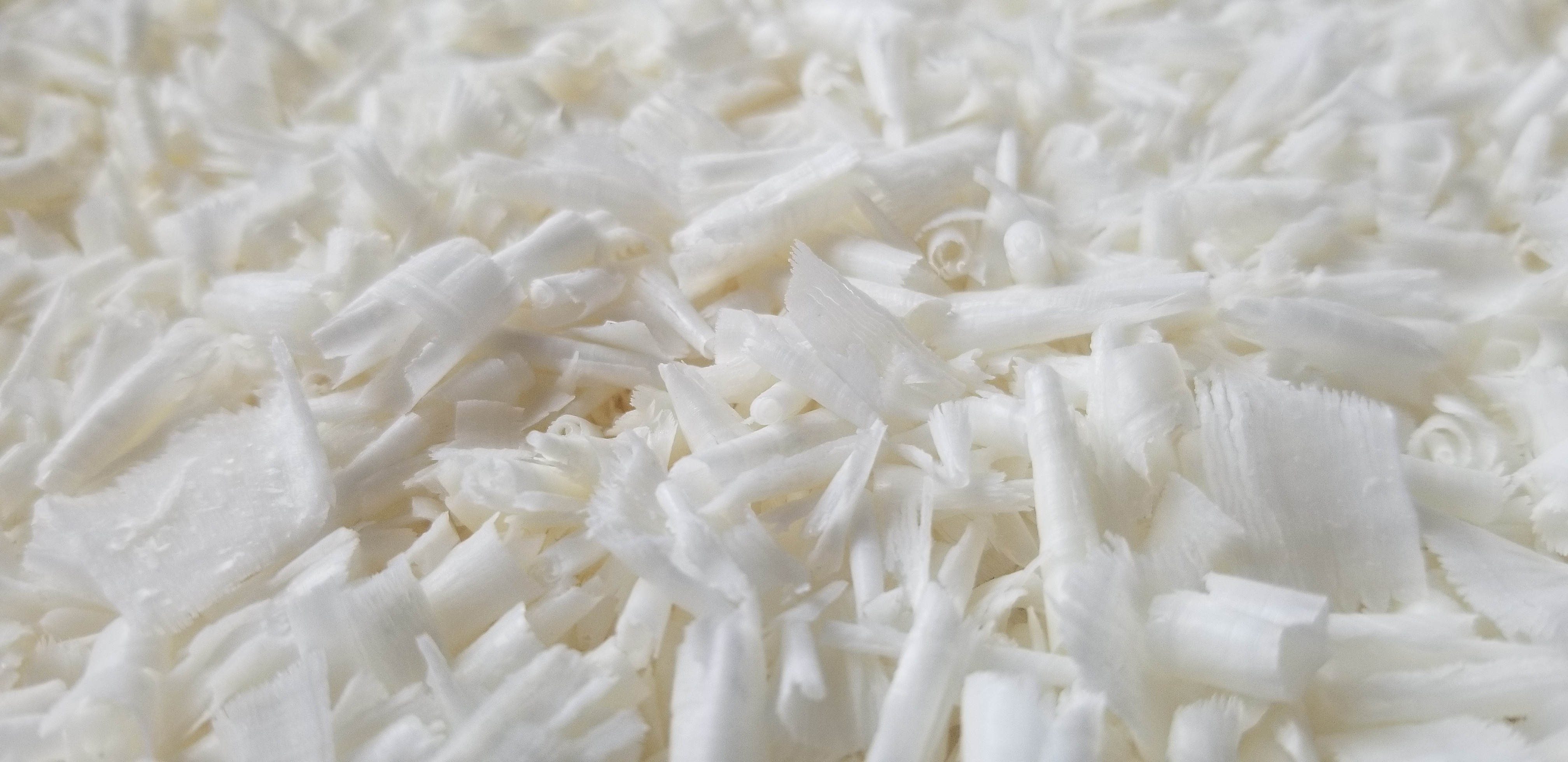
An Interesting Method for Skimming Wax
(Issue 29)
As long-time readers may recall, part of my overall journey toward kitchen witchery and experimental archaeology has involved finding and working out the recipes behind historical foods, cosmetics, and home goods…
Keep reading
A Partial Guide to Avoiding Casual Poisonings
(Issue 29)
With the success of the lip pomatum, I’ve found myself eager to explore historical recipes further. This leads, unfortunately, to two additional concerns: (1) determining the modern-day equivalent of various ingredients, and (2) ensuring that those same ingredients are not, in fact, poisonous.
Keep reading
GOO
(Minor Thoughts)
I’m in the workshop making lip balm because I have been INTERVIEWED by my alma mater and have been asked for action photos of me working that AREN’T just terrible soap mistakes or free advertisements for Dunkin Donuts coffee.
Keep reading
Inciting hordes to riot
Or alchemy, same difference.
Keep reading
Making Many Many Tiny Friends
(Minor Thoughts)
I had for some time wondered what would happen when my various apothecary nonsense things went bad. I sometimes had things that turned out strange, and some things that didn’t set right and turned out gross, but eventually the day did come when I had something TURN BAD from OLD AGE.
Keep reading
Regarding soap
Soap: Fit the First
(Issue 32)
It was 2022. I had attempted, and conquered, the 1711 recipe for lip pomatum….
Keep reading
Soap: Fit the Second
(Issue 33)
I wanted to keep my plan for recreating (or more accurately, creating) lavender soap simple, which was only helped by the scant description I had to work with amounting to all of three words: “yummy lavender soap”.
Keep reading
Soap: Fit the Third
(Issue 34)
Lavender is a toughie, ingredient-wise– it wasn’t the herbal most frequently added. Powdered orris root (Iris rhizomes), cloves, and storax resins (like bezoin, liquid storax, labdanum, and their various offshoots and adulterated variants) were the usual culprits. A couple of recipes called for lavender flowers, but certainly not the majority, and rosewater was usually what would be added to that dried, grated Venetian Soap when the soapmaker was ready to reform it into wash balls.
Keep reading
On the Matter of Oyles
(Issue 34)
When originally writing up the Adventures of the Oil of Lavender above, a question was raised by a friendly reader: “Did soapmakers more often use infused oil such as [the] 1623 recipe, or essential oil (extracted e.g. by steam distillation)?”
Keep reading
Soap: Fit the Fourth
(Issue 35)
(Also known as “Cursed once again with A TERRIBLE DISCOVERY.”)
Keep reading
Soap: Fit the Fifth
(Issue 36)
You have been so brave up till now. We’ve all seen it, and the Editors have made note of it. You have read through each soap update, following along with the experimentation and pinball research, and have been willing to row along with my nonsense cheerfully and without complaint.
Keep reading
Soap: Fit the Sixth
(Issue 37)
Following the glow-up of the lavender soap in Issue 36, I was filled with some trepidation regarding how they might dry. Would they have undergone a metamorphosis into something even more delightful?
Keep reading
Soap: Fit the Seventh; or, Return of the (Soap) King
(Issue 40)
For those who haven’t been following along, I’ve been having a nice time doing experimental archaeology and recreating cosmetics/household goods from the European Scientific Revolution AKA the 1480s to 1710s AKA very coincidentally the date range of the University of Michigan’s Early English Books Online database.
Keep reading
Soap: Fit the Eighth (An Evening of Tragedies)
(Issue 41)
There came an evening, in April of 2023, when I decided that perhaps the Real Problem with my soap experiments was that I wasn’t working from the known to the unknown– that is to say, I wasn’t making a Working version first and then extrapolating from there. (You could THEORETICALLY also say that perhaps I wanted to check and see if I was just rubbish at making soap, BUT YOU’LL NEVER PROVE IT, COPPERS.)
Keep reading
Soap: Interregnum
I threatened in my latest issue of The Minor Hours and Small Thoughts Magazine that I would start putting these experimental archaeology write-ups in their own separate posts– but I’ve lost some momentum, so best to reorient ourselves in the narrative.
Keep reading
Soap: Fit the Ninth (Continuing Developments)
As I sit here with the luxurious scent of soap I bought in London gently wending its way from betwixt the too-weak atoms of the quart-sized freezer bag I’ve unceremoniously shoved them into, I think to myself: Yes, good, this is the atmosphere I need to relay more Soap Adventures.
Keep reading
Soap: Fit the Tenth (The Poor Decisions Are Unending)
So remember that time. When I thought it was a good idea. To try and make a new soap in the later hours of my evening.
Keep reading
Soap: Fit the Eleventh (ex Arte, eat your heart out)
The thing about trying to Frankenstein a lavender soap out of bits and pieces of a bunch of historical recipes…
Keep reading
Regarding pearl pomatum
27 March 2023
(Issue 38)
On this date, I wrote the following…
Keep reading
A Brief History of Putting Pearls in Things (In Europe)(And Also My Workshop)
(Issue 38)
It was not until April of 2023 that I finally revealed what had occasioned the above comment, but eventually I was ready to reveal all– and herein lies that story.
Keep reading
The Incredibly Big Difference Between Essence of Pearl and Seed Pearl in Fine Powder
(Issue 38)
There are quite a lot of ways to prepare pearls, if you’re a 1600s apothecary.
Keep reading
Or Is It
(Issue 38)
Cool, I thought. Well, let’s just see if ground-up fish scales are still around–
Keep reading
Also No
(Issue 38)
Pearl powder is both expensive and hard as hell to ensure is pure when you’re just a funky little alchemist like myself. I came to the conclusion that, really, it made the MOST sense to just buy a nut grinder and a bag of seed pearls. Goodness, thought I, how has no one else conceived of this notion? I am a genius of truly astonishing proportions.
Keep reading
Finding Some Real Goddamn Pearls in This Degenerate Age
(Issue 38)
This, as it turns out, was harder than it looked. So here’s my hard-won wisdom, such as it is.
Keep reading
Chymistry
(Minor Thoughts)
It’s wild to me that I am, in my adulthood, in a way, coming to chemical science and formulation.
Keep reading
Inciting hordes to riot
Or alchemy, same difference.
Keep reading
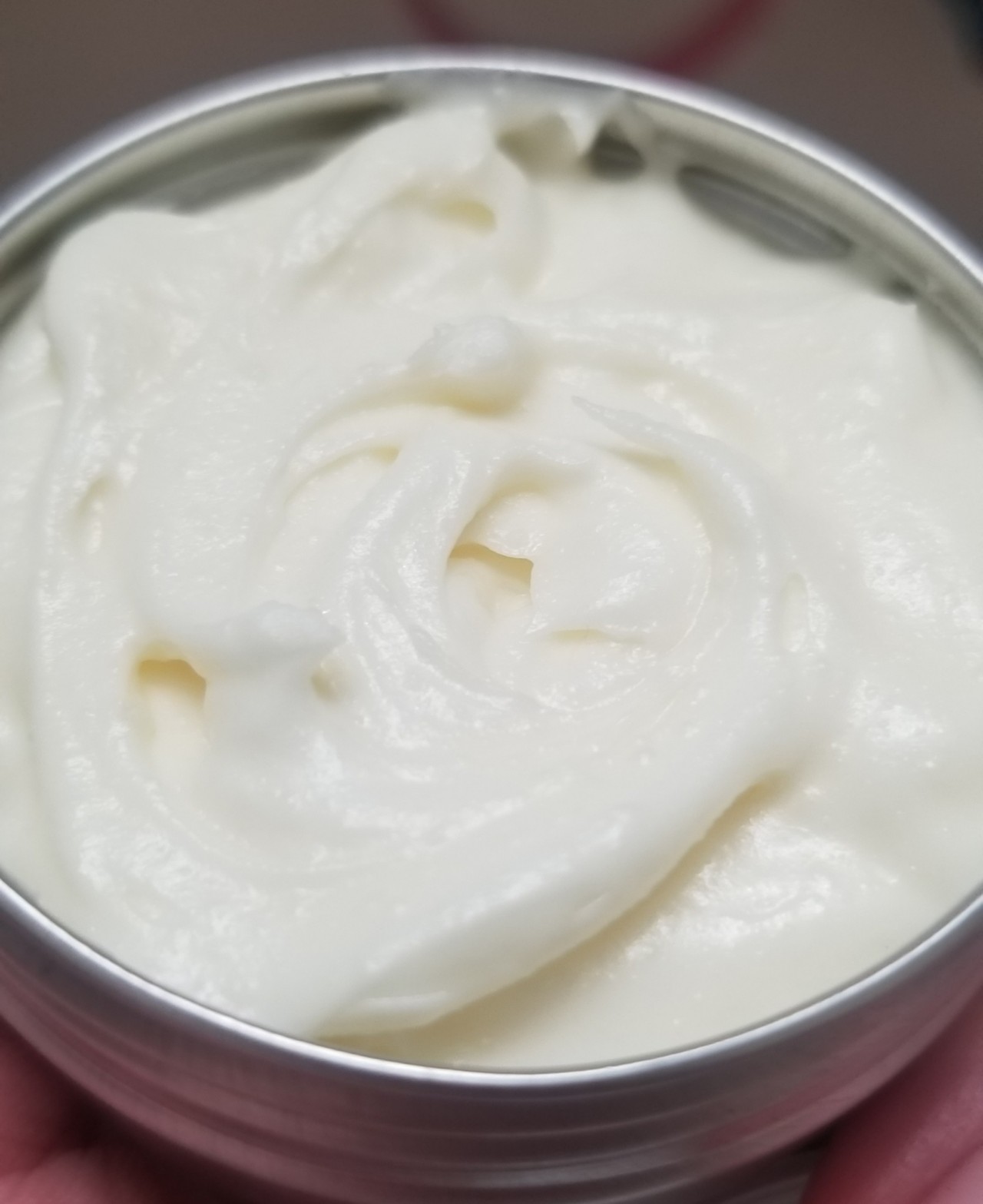
The Pearl Pomatum (at long last)
The time has come for some actual pomatum and 100% less fun with fire (as the prophecy foretold).
Keep reading
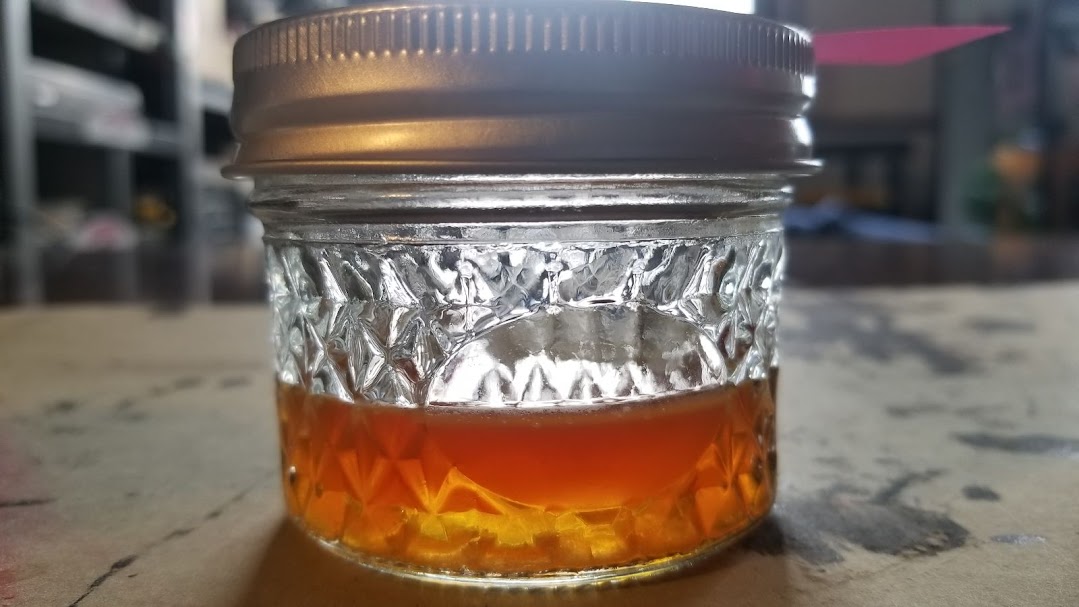
Regarding scents
Le Chemin de la Mort
The portfolio/project notes for an backwards-engineered, historically plausible scent.
Keep reading
The Adulteration of Septimus Roe
(Issue 30)
…or rather, Septimus Roe’s Salisbury Exhibition Perfume, created for Salisbury, England’s 1852 local version of the 1851 Great Exhibition in London.
Keep reading
The Green Knight
(Issue 30)
The Editors have informed me that it is unfair to go through the entire rundown of the history of “The Green Knight” without actually describing the final scent.
Keep reading
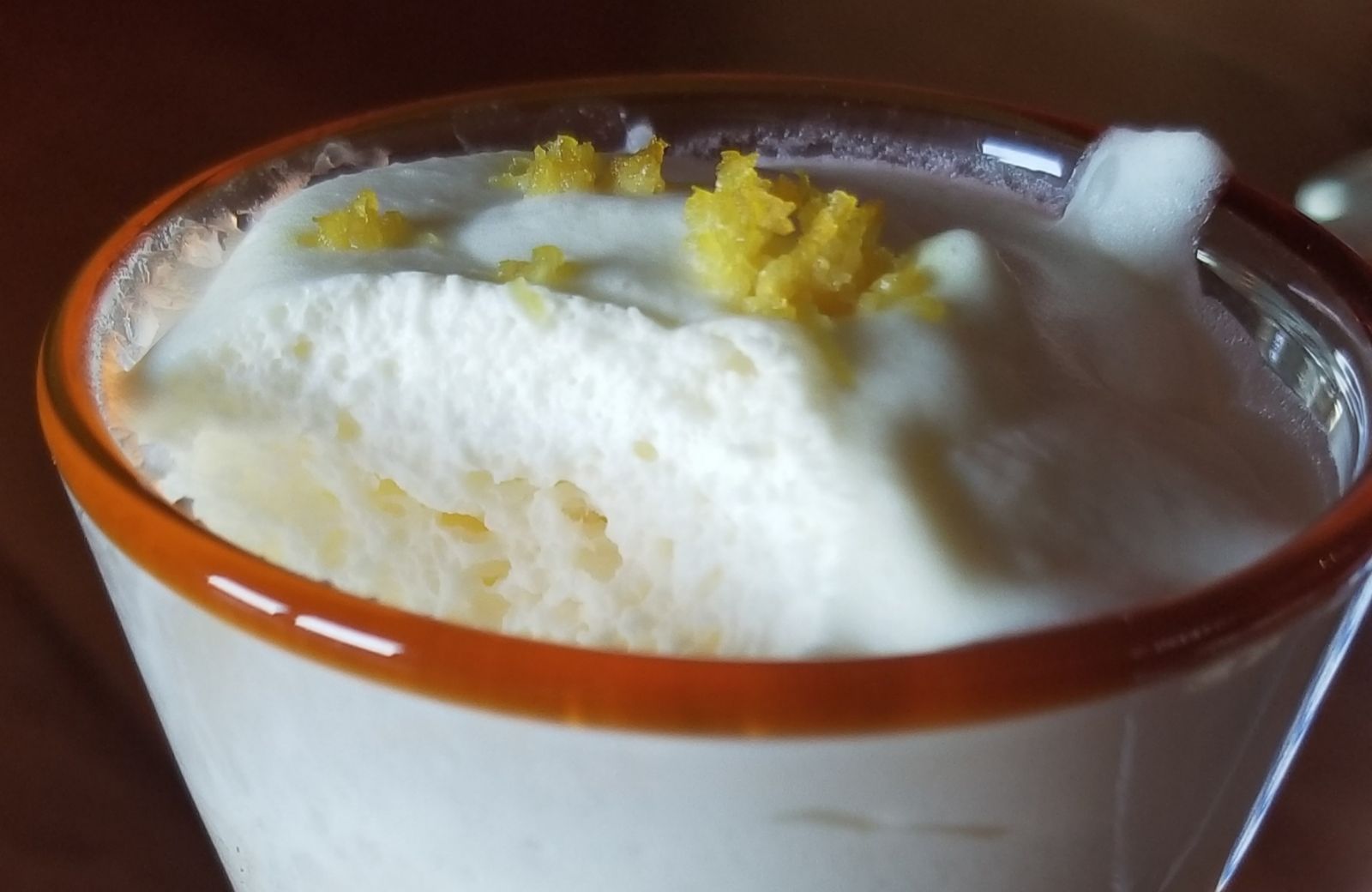
Regarding food
A Useful Recipe
(Issue 5)
One of the hobbies I wish to cultivate is recreating historical recipes. It’s been on my list of things to do for ages, ever since I was a teenager. In high school one of the English teacher’s ran a school-wide variant on a Renaissance faire — and because no one was particularly paying attention to my antics, I decided to go as a witch, wearing my mother’s old SCA surcote and stashing hand-calligraphed recipes up my sleeves to hand to people who asked for my help. (I was under-appreciated in my time.)
Keep reading
Syllabub: Fit the First
(Issue 19)
I first became interested in making syllabub sometime last year, when I came across Max Millers’s YouTube series Tasting History and his recreation of Hannah Glasse’s everlasting syllabub. I’m not by nature a wine drinker, however, and don’t see much point in buying it on my own, so I hadn’t gotten around to actually attempting the recipe.
Keep reading
Syllabub: Fit the Second
(Issue 20)
As mentioned in the previous issue, I was going to try my Frankensteined champagne syllabub recipe again, this time with powdered sugar instead of white sugar, no meringue at any stage, and lemon again because it’s incredibly delicious.
Keep reading
Syllabub: Fit the Third
(Issue 21)
Unlike my rash and extravagant promises from the previous issue, I didn’t end up trying the most exciting variant of the syllabub I found (the one with heated wine and honey), but rather I explored the first variant again, with some changes to methodology…
Keep reading
Syllabub: Fit the Fourth (and Fifth)
(Issue 22)
In the continuing adventures of my syllabub experimentation, I have taught it to my sister, served it to my brother, and shared my doctored recipe with a coworker. The ever-expanding attempt to bring syllabub back to the mainstream continues apace — but I, as always, must be the brave one to continue the work of perfecting this recipe.
Keep reading
Syllabub: Fit the Sixth (&c.)
(Issue 25)
I have, over the past several days, stumbled upon a number of early 18th-late 17th century syllabub recipes. Dare I try them? Maybe. For the wonderment of all, though…
Keep reading
To Make Waſers
(Minor Thoughts)
I’m largely staying out of the food-making historical game (with the exception of my BELOVED SYLLABUB) because there are quite a few people doing that already…
Keep reading
“Hot Irons”??
(Minor Thoughts)
I will fetch that rosewater from the studio today. But as I stare across my kitchen, planning my evening…
Keep reading
Wafers (?)
(Minor Thoughts)
Most people, attempting a 17th century recipe for the first time, might wait until they actually had all the ingredients on hand and, also, maybe… daylight.
Keep reading
To Make Wafers
(Issue 33)
Readers who caught sight of my MINOR THOUGHTS this week know that this has been a recipe that sparked my interest (i.e., looked sufficiently simple and non-poisonous enough to attempt)–the text, with modernized spelling, reads…
Keep reading
Regarding Medlars
(Issue 37)
A week ago on Bluesky Faine Greenwood posted a link to a BBC article on the medlar and its common usage in the past (and the mystery of it no longer being as popular a fruit). I knew I had seen medlar recipes before, and said so; at which point, Faine and others made the mistake of asking me for said recipes.
Keep reading
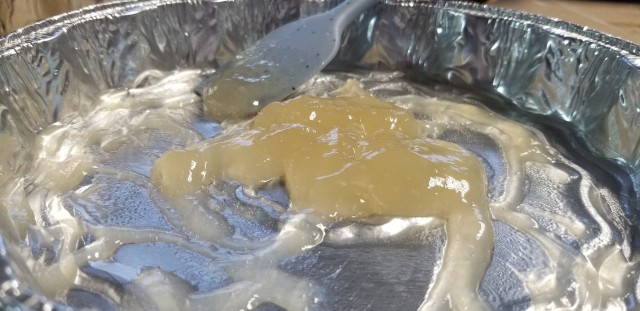
Regarding troches
Troches, or: Guess who found a breath freshener!
Back in the summer of 2023, I had been pouring through the Early English Books Online database (as one does), and came across William Salmon’s Polygraphice (1673)— within which I found the following: VI. To rectifie the Breath…
Keep reading

Regarding ingredients
Alkanet/Orcanet
A Partial Guide to Avoiding Casual Poisonings (Issue 29)
Orcanet required some study, but revealed itself to be an older spelling of alkanet, or what we now might purchase under the name alkanet root, Alkanna tinctoria, or ratan jot. While it is a popular colorant for the makers of “natural” cosmetics, there is some concern regarding what happens to the livers of people who ingest it, and it therefore seems unwise to include in a lip balm.
Keep reading
Benjamin/Gum Benzoin
Soap: Fit the Fifth (Issue 36)
As it turns out, my local metaphysical shop happened to have gum benzoin (which is either identical to or pretty close to what my dudes called “Benjamin”) and dried orrisroot. Since both of those– and the orrisroot in particular– are regular ingredients in these soaps, I picked some up, and probably paid an outrageous mark-up to do so.
Keep reading
Borax
The Pearl Pomatum (at long last)
Both of the recipes I’m referencing involve borax, a basic (as in, pH level basic) as fuck salt currently most often found in American laundry aisles because it’s been banned to heck in the EU.
Keep reading
Essence of Pearl
The Incredibly Big Difference Between Essence of Pearl and Seed Pearl in Fine Powder (Issue 38)
Enter M. Jacquin and his process for creating artificial pearls.
Keep reading
Or Is It (Issue 38)
Cool, I thought. Well, let’s just see if ground-up fish scales are still around–
Keep reading
Essential/Infused Oils
On the Matter of Oyles (Issue 34)
When originally writing up the Adventures of the Oil of Lavender above, a question was raised by a friendly reader: “Did soapmakers more often use infused oil such as [the] 1623 recipe, or essential oil (extracted e.g. by steam distillation)?”
Keep reading
Gum Tragacanth
Troches, or: Guess who found a breath freshener!
Back in the summer of 2023, I had been pouring through the Early English Books Online database (as one does), and came across William Salmon’s Polygraphice (1673)— within which I found the following: VI. To rectifie the Breath…
Keep reading
Labdanum
On the Matter of Oyles (Issue 34)
Similarly, at least two of these wash ball recipes call for labdanum, a gummy resin thing whose scent is described as “amber, animalic, sweet, fruity, woody, ambergris, dry musk, or leathery”. Nice, right?
Keep reading
Lavender
Soap: Fit the Third (Issue 34)
Lavender is a toughie, ingredient-wise– it wasn’t the herbal most frequently added. Powdered orris root (Iris rhizomes), cloves, and storax resins (like bezoin, liquid storax, labdanum, and their various offshoots and adulterated variants) were the usual culprits. A couple of recipes called for lavender flowers, but certainly not the majority, and rosewater was usually what would be added to that dried, grated Venetian Soap when the soapmaker was ready to reform it into wash balls.
Keep reading
Lavender Oyl, Upon Review (Issue 35)
As discussed in the previous issue, I tried at one point to recreate an Oil of Lavender, as it seemed like a Good Idea at the Time. To complete the story: At the nine-day mark, I checked in on the Oil of Lavender, which due to Tragic Circumstances I was unable to mess around with earlier– and it was. Very olive oily.
Keep reading
Medlars
Regarding Medlars (Issue 37)
A week ago on Bluesky Faine Greenwood posted a link to a BBC article on the medlar and its common usage in the past (and the mystery of it no longer being as popular a fruit). I knew I had seen medlar recipes before, and said so; at which point, Faine and others made the mistake of asking me for said recipes.
Keep reading
Orange blossoms
Soap: Fit the Ninth (Continuing Developments)
While I was waiting for the kraken cakes to dry (ha), and because I finally got all the ingredients in, I started on a soap recipe that involved large amounts of orange-blossom water and neroli essential oil– basically both the by-products of steam-distilling bitter orange blossoms (oil goes up; water goes down; blossoms presumably go in the trash) all stuffed in one recipe.
Keep reading
Orrisroot
Soap: Fit the Fifth (Issue 36)
I also checked their chemical compositions, just in case, like, maybe one of them secretly turns soap white? Because that would be… convenient? Which is how I found out that the orrisroot has, among other things, oil of orris (shocker), which itself contains myristic acid (used for cleansing, emulsifying, perfuming, and as a foam building cleansing agent, hooray!).
Keep reading
Pearls
The Incredibly Big Difference Between Essence of Pearl and Seed Pearl in Fine Powder (Issue 38)
There are quite a lot of ways to prepare pearls, if you’re a 1600s apothecary.
Keep reading
Finding Some Real Goddamn Pearls in This Degenerate Age (Issue 38)
This, as it turns out, was harder than it looked. So here’s my hard-won wisdom, such as it is.
Keep reading
Salt
Soap: Fit the Eighth (An Evening of Tragedies) (Issue 41)
Salt was used to vaguely solidify European soap (the stuff made with potash instead of soda ash). But how much did they use? How solid did that soap actually get?
Keep reading
Soap (Black)
Soap: Fit the First (Issue 32)
So far as I can tell, all extant European recipes for scented soap are basically the household equivalent of doctoring your instant ramen noodles. Very briefly: Western soap was harsh, mostly good for laundry, soft or liquid even if salted to solidify it, was made with smelly animal fats, and wouldn’t take pretty herbal scents worth a damn. (It was also called “black soap” because of the color of the potash lye used to make it.)
Keep reading
Soap (Nabulsi/Aleppo)
Soap: Fit the Second (Issue 33)
Stateside, the closest I could easily find to a period-accurate formulation was “Kiss My Face” brand olive oil soap– hilarious to imagine, but it’s green in color, which is Not what soap made from very high quality olive oil that’s been allowed to dry and age properly should be– so I said to hell with the inherent humor of the brand name and instead went really method: Say hello to Nabulsi soap, a next-door neighbor to Aleppo soap.
Keep reading
Soap (Venice)
Soap: Fit the First (Issue 32)
But over in Syria, and brought to the rest of the Mediterranean and elsewhere via the Silk Road, was this amazing stuff called Aleppo soap– and it was golden-white, solid, gentle on the skin, almost scentless, and could be mixed with herbs and spices and icky animal parts to smell very fancy indeed.
Keep reading
Spermaceti
A Brief History of Putting Pearls in Things (In Europe)(And Also My Workshop) (Issue 38)
NOTE: Regarding whale goo, artificial spermaceti exists!
Keep reading
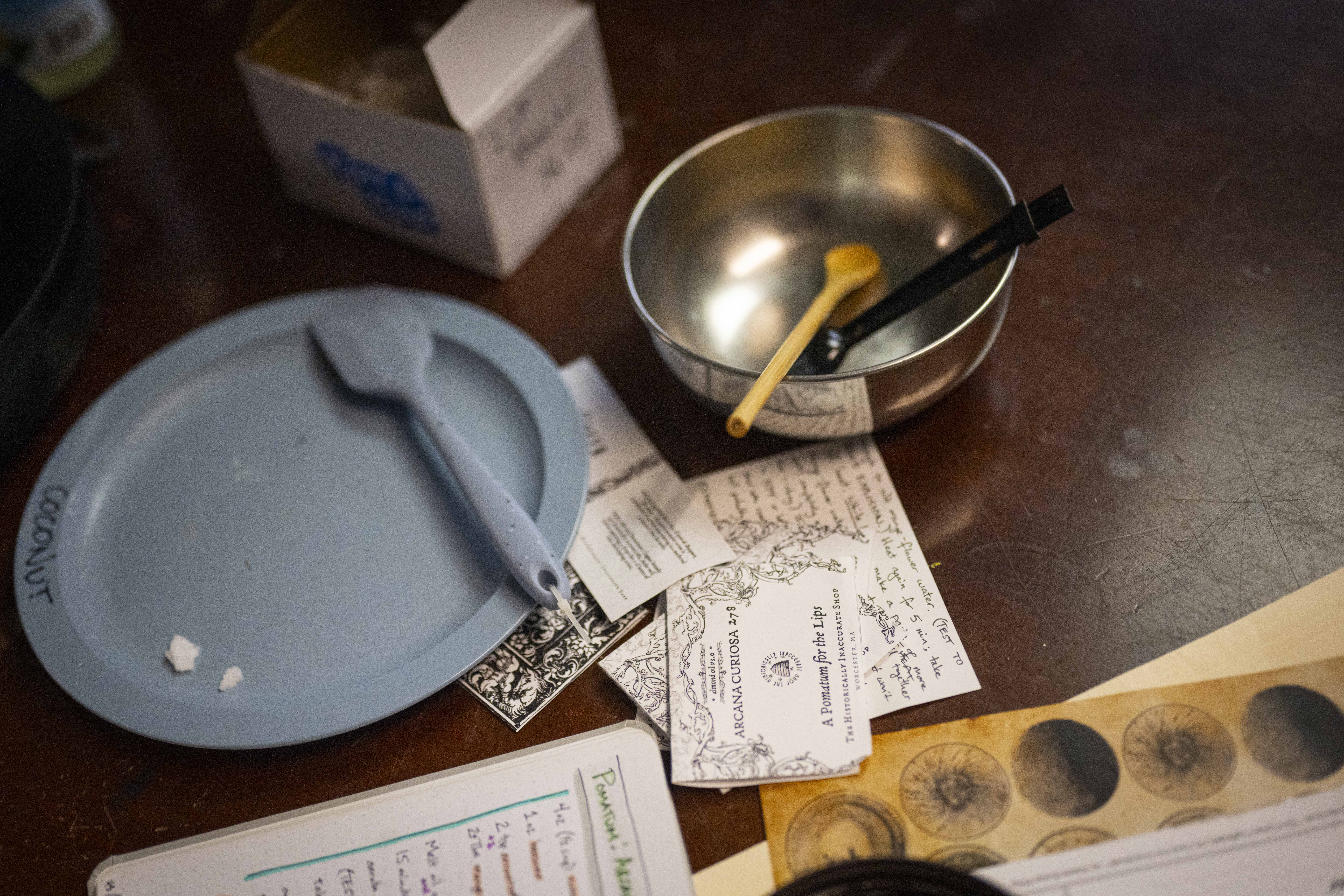
Regarding general history and apothecary
Fragment of a Regency-era SF story
Doing primary source research sometimes leads to spectacular (or, at least, deeply interesting) finds. In this case, I was looking through an 1809 volume of The lady’s magazine: or entertaining companion for the fair sex, appropriated solely to their use and amusement, as one does, searching for a description of a particular royal estate, and instead I came across… well, a science fiction story.
Keep reading
Historical Ephemera
(Issue 1)
The Royal Collection Trust over in England is doing a massive cataloging and digitizing of its Georgian papers collections (i.e., the papers associated with the Georgian families, from George I through George IV), called the Georgian Papers Programme. It’s challenging to dig through it, and moreso to actually read everyone’s handwriting, but occasionally you find interesting tidbits. For instance, this…
Keep reading
Historical Ephemera
(Issue 5)
While I don’t speak of my more professional writing here, I should say that one of my stranger goals is to write a semi-nonfiction book called THE COMPLETELY USELESS COOKBOOK.
Keep reading
Historical Ephemera
(Issue 8)
I think I said in a recent issue that I was interested in trying out historical recipes. In my quest to start more projects than I can possibly complete, I’ve found started transcribing — and then translating — recipes from Samuel and Sarah Adams’s The Complete Servant, a handy manual from 1825.
Keep reading
At Home Witchery and Practical Magics
(Issue 16)
One of the strange delights of living the life of a solitary bee is that I get to discover the household tips and tricks that sustained generations before me while, simultaneously, feeling like I am well on my way to becoming a combination of Morwen, Nanny Ogg, and a Victorian household guide. There is a peculiar delight in being able to solve household problems by taking a spoonful of something, mixing it with something else, and then applying it like a fantasy-novel hedgewitch with muttered incantations and cats watching over my shoulder.
Keep reading
Elements of a Still-room
(Issue 27)
In the last few months I have, astonishingly, fallen to the siren call of bullet journalling.
Keep reading
An Interesting Method for Skimming Wax
(Issue 29)
As long-time readers may recall, part of my overall journey toward kitchen witchery and experimental archaeology has involved finding and working out the recipes behind historical foods, cosmetics, and home goods…
Keep reading
A Useful Table of Measure
(Issue 30)
i pound = xij ounces (else: xvj)
Keep reading
Another Useful Table of Measure
(Issue 30)
ɱ = minim
Keep reading
On the Matter of Oyles
(Issue 34)
When originally writing up the Adventures of the Oil of Lavender above, a question was raised by a friendly reader: “Did soapmakers more often use infused oil such as [the] 1623 recipe, or essential oil (extracted e.g. by steam distillation)?”
Keep reading
Regarding Miasma
(Issue 35)
Regarding miasma–While we don’t know which article you might have read on the topic of certain pandemics and the establishment’s hesitance to label it as airborne, we found this site to contain a succinct summary of one– containing also the very useful phrase “belief perseverance”, which…
Keep reading
Commonplaces (Galenical vs Chymical)
(Issue 35)
From George Thompson’s Galeno-pale, or, A Chymical Trial of the Galenists, that Their Dross in Physick May Be Discovered with the Grand Abuses and Disrepute They Have Brought Upon the Whole Art of Physick and Chirurgery (1665)…
Keep reading
Challenging the Metal Detectors
(Minor Thoughts)
I’ll be going to the UK for a week in October, due to serendipity and an opportunity for odd research into immersive game design– which I’ll no doubt speak more on shortly, but! I have JUST DISCOVERED that the Royal College of Physicians has a collection of apothecary jars, guided medicinal garden tours, AND a brand-new exhibition on HOUSEHOLD RECEIPT BOOKS, how can I POSSIBLY pass that up.
Keep reading
Chymistry
(Minor Thoughts)
It’s wild to me that I am, in my adulthood, in a way, coming to chemical science and formulation.
Keep reading
A history of Historically Inaccurate research
Historical Ephemera
(Issue 1)
The Royal Collection Trust over in England is doing a massive cataloging and digitizing of its Georgian papers collections (i.e., the papers associated with the Georgian families, from George I through George IV), called the Georgian Papers Programme. It’s challenging to dig through it, and moreso to actually read everyone’s handwriting, but occasionally you find interesting tidbits. For instance, this…
Keep reading
A Useful Recipe
(Issue 5)
One of the hobbies I wish to cultivate is recreating historical recipes. It’s been on my list of things to do for ages, ever since I was a teenager. In high school one of the English teacher’s ran a school-wide variant on a Renaissance faire — and because no one was particularly paying attention to my antics, I decided to go as a witch, wearing my mother’s old SCA surcote and stashing hand-calligraphed recipes up my sleeves to hand to people who asked for my help. (I was under-appreciated in my time.)
Keep reading
Historical Ephemera
(Issue 5)
While I don’t speak of my more professional writing here, I should say that one of my stranger goals is to write a semi-nonfiction book called THE COMPLETELY USELESS COOKBOOK.
Keep reading
Further Ephemera
(Issue 5)
As I was looking up links to Hannah Glasse’s cookbook this evening, I ran across Fredrick Accum’s A Treatise on Adulteration of Food and Culinary Poisons, an 1820 book whose title goes on for considerably longer than I have quoted here. It has what I now consider to be the gold-standard cover art for all publications related to food safety…
Keep reading
Historical Ephemera
(Issue 8)
I think I said in a recent issue that I was interested in trying out historical recipes. In my quest to start more projects than I can possibly complete, I’ve found started transcribing — and then translating — recipes from Samuel and Sarah Adams’s The Complete Servant, a handy manual from 1825.
Keep reading
At Home Witchery and Practical Magics
(Issue 16)
One of the strange delights of living the life of a solitary bee is that I get to discover the household tips and tricks that sustained generations before me while, simultaneously, feeling like I am well on my way to becoming a combination of Morwen, Nanny Ogg, and a Victorian household guide. There is a peculiar delight in being able to solve household problems by taking a spoonful of something, mixing it with something else, and then applying it like a fantasy-novel hedgewitch with muttered incantations and cats watching over my shoulder.
Keep reading
Syllabub: Fit the First
(Issue 19)
I first became interested in making syllabub sometime last year, when I came across Max Millers’s YouTube series Tasting History and his recreation of Hannah Glasse’s everlasting syllabub. I’m not by nature a wine drinker, however, and don’t see much point in buying it on my own, so I hadn’t gotten around to actually attempting the recipe.
Keep reading
Syllabub: Fit the Second
(Issue 20)
As mentioned in the previous issue, I was going to try my Frankensteined champagne syllabub recipe again, this time with powdered sugar instead of white sugar, no meringue at any stage, and lemon again because it’s incredibly delicious.
Keep reading
Syllabub: Fit the Third
(Issue 21)
Unlike my rash and extravagant promises from the previous issue, I didn’t end up trying the most exciting variant of the syllabub I found (the one with heated wine and honey), but rather I explored the first variant again, with some changes to methodology…
Keep reading
Syllabub: Fit the Fourth (and Fifth)
(Issue 22)
In the continuing adventures of my syllabub experimentation, I have taught it to my sister, served it to my brother, and shared my doctored recipe with a coworker. The ever-expanding attempt to bring syllabub back to the mainstream continues apace — but I, as always, must be the brave one to continue the work of perfecting this recipe.
Keep reading
Syllabub: Fit the Sixth (&c.)
(Issue 25)
I have, over the past several days, stumbled upon a number of early 18th-late 17th century syllabub recipes. Dare I try them? Maybe. For the wonderment of all, though…
Keep reading
Elements of a Still-room
(Issue 27)
In the last few months I have, astonishingly, fallen to the siren call of bullet journalling.
Keep reading
An Interesting Method for Skimming Wax
(Issue 29)
As long-time readers may recall, part of my overall journey toward kitchen witchery and experimental archaeology has involved finding and working out the recipes behind historical foods, cosmetics, and home goods…
Keep reading
A Partial Guide to Avoiding Casual Poisonings
(Issue 29)
With the success of the lip pomatum, I’ve found myself eager to explore historical recipes further. This leads, unfortunately, to two additional concerns: (1) determining the modern-day equivalent of various ingredients, and (2) ensuring that those same ingredients are not, in fact, poisonous.
Keep reading
The Adulteration of Septimus Roe
(Issue 30)
…or rather, Septimus Roe’s Salisbury Exhibition Perfume, created for Salisbury, England’s 1852 local version of the 1851 Great Exhibition in London.
Keep reading
A Useful Table of Measure
(Issue 30)
i pound = xij ounces (else: xvj)
Keep reading
The Green Knight
(Issue 30)
The Editors have informed me that it is unfair to go through the entire rundown of the history of The Green Knight without actually describing the final scent.
Keep reading
Another Useful Table of Measure
(Issue 30)
ɱ = minim
Keep reading
Easy Ways to Explode One’s Kitchen
(Issue 31)
Gentle readers may recall the start of my apothecarical interest was, to an extent, the joy of Syllabubs (in too many issues to list here)–but when I first started wandering into the world of household goods, my gateway drug was a simple recipe in Nicolas Lémery’s Arcana Curiosa: Or Modern Curiosities of Art and Nature…
Keep reading
A Lip Pomatum (for the At-Home Apothecary)
(Issue 31)
Now, in 2024, after two years of experimentation and study, I have a proper recipe that you, gentle readers, can also follow.
Keep reading
Soap: Fit the First
(Issue 32)
It was 2022. I had attempted, and conquered, the 1711 recipe for lip pomatum….
Keep reading
To Make Waſers
(Minor Thoughts)
I’m largely staying out of the food-making historical game (with the exception of my BELOVED SYLLABUB) because there are quite a few people doing that already…
Keep reading
“Hot Irons”??
(Minor Thoughts)
I will fetch that rosewater from the studio today. But as I stare across my kitchen, planning my evening…
Keep reading
Wafers (?)
(Minor Thoughts)
Most people, attempting a 17th century recipe for the first time, might wait until they actually had all the ingredients on hand and, also, maybe… daylight.
Keep reading
Soap: Fit the Second
(Issue 33)
I wanted to keep my plan for recreating (or more accurately, creating) lavender soap simple, which was only helped by the scant description I had to work with amounting to all of three words: “yummy lavender soap”.
Keep reading
To Make Wafers
(Issue 33)
Readers who caught sight of my MINOR THOUGHTS this week know that this has been a recipe that sparked my interest (i.e., looked sufficiently simple and non-poisonous enough to attempt)–the text, with modernized spelling, reads…
Keep reading
Soap: Fit the Third
(Issue 34)
Lavender is a toughie, ingredient-wise– it wasn’t the herbal most frequently added. Powdered orris root (Iris rhizomes), cloves, and storax resins (like bezoin, liquid storax, labdanum, and their various offshoots and adulterated variants) were the usual culprits. A couple of recipes called for lavender flowers, but certainly not the majority, and rosewater was usually what would be added to that dried, grated Venetian Soap when the soapmaker was ready to reform it into wash balls.
Keep reading
On the Matter of Oyles
(Issue 34)
When originally writing up the Adventures of the Oil of Lavender above, a question was raised by a friendly reader: “Did soapmakers more often use infused oil such as [the] 1623 recipe, or essential oil (extracted e.g. by steam distillation)?”
Keep reading
Lavender Oyl, Upon Review
(Issue 35)
As discussed in the previous issue, I tried at one point to recreate an Oil of Lavender, as it seemed like a Good Idea at the Time. To complete the story: At the nine-day mark, I checked in on the Oil of Lavender, which due to Tragic Circumstances I was unable to mess around with earlier– and it was. Very olive oily.
Keep reading
Soap: Fit the Fourth
(Issue 35)
(Also known as “Cursed once again with A TERRIBLE DISCOVERY.”)
Keep reading
Regarding Miasma
(Issue 35)
Regarding miasma–While we don’t know which article you might have read on the topic of certain pandemics and the establishment’s hesitance to label it as airborne, we found this site to contain a succinct summary of one– containing also the very useful phrase “belief perseverance”, which…
Keep reading
Commonplaces (Galenical vs Chymical)
(Issue 35)
From George Thompson’s Galeno-pale, or, A Chymical Trial of the Galenists, that Their Dross in Physick May Be Discovered with the Grand Abuses and Disrepute They Have Brought Upon the Whole Art of Physick and Chirurgery (1665)…
Keep reading
Soap: Fit the Fifth
(Issue 36)
You have been so brave up till now. We’ve all seen it, and the Editors have made note of it. You have read through each soap update, following along with the experimentation and pinball research, and have been willing to row along with my nonsense cheerfully and without complaint.
Keep reading
Soap: Fit the Sixth
(Issue 37)
Following the glow-up of the lavender soap in Issue 36, I was filled with some trepidation regarding how they might dry. Would they have undergone a metamorphosis into something even more delightful?
Keep reading
Regarding Medlars
(Issue 37)
A week ago on Bluesky Faine Greenwood posted a link to a BBC article on the medlar and its common usage in the past (and the mystery of it no longer being as popular a fruit). I knew I had seen medlar recipes before, and said so; at which point, Faine and others made the mistake of asking me for said recipes.
Keep reading
Challenging the Metal Detectors
(Minor Thoughts)
I’ll be going to the UK for a week in October, due to serendipity and an opportunity for odd research into immersive game design– which I’ll no doubt speak more on shortly, but! I have JUST DISCOVERED that the Royal College of Physicians has a collection of apothecary jars, guided medicinal garden tours, AND a brand-new exhibition on HOUSEHOLD RECEIPT BOOKS, how can I POSSIBLY pass that up.
Keep reading
Chymistry
(Minor Thoughts)
It’s wild to me that I am, in my adulthood, in a way, coming to chemical science and formulation.
Keep reading
27 March 2023
(Issue 38)
On this date, I wrote the following…
Keep reading
A Brief History of Putting Pearls in Things (In Europe)(And Also My Workshop)
(Issue 38)
It was not until April of 2023 that I finally revealed what had occasioned the above comment, but eventually I was ready to reveal all– and herein lies that story.
Keep reading
The Incredibly Big Difference Between Essence of Pearl and Seed Pearl in Fine Powder
(Issue 38)
There are quite a lot of ways to prepare pearls, if you’re a 1600s apothecary.
Keep reading
Or Is It
(Issue 38)
Cool, I thought. Well, let’s just see if ground-up fish scales are still around–
Keep reading
Also No
(Issue 38)
Pearl powder is both expensive and hard as hell to ensure is pure when you’re just a funky little alchemist like myself. I came to the conclusion that, really, it made the MOST sense to just buy a nut grinder and a bag of seed pearls. Goodness, thought I, how has no one else conceived of this notion? I am a genius of truly astonishing proportions.
Keep reading
Finding Some Real Goddamn Pearls in This Degenerate Age
(Issue 38)
This, as it turns out, was harder than it looked. So here’s my hard-won wisdom, such as it is.
Keep reading
GOO
(Minor Thoughts)
I’m in the workshop making lip balm because I have been INTERVIEWED by my alma mater and have been asked for action photos of me working that AREN’T just terrible soap mistakes or free advertisements for Dunkin Donuts coffee.
Keep reading
Soap: Fit the Seventh; or, Return of the (Soap) King
(Issue 40)
For those who haven’t been following along, I’ve been having a nice time doing experimental archaeology and recreating cosmetics/household goods from the European Scientific Revolution AKA the 1480s to 1710s AKA very coincidentally the date range of the University of Michigan’s Early English Books Online database.
Keep reading
Soap: Fit the Eighth (An Evening of Tragedies)
(Issue 41)
There came an evening, in April of 2023, when I decided that perhaps the Real Problem with my soap experiments was that I wasn’t working from the known to the unknown– that is to say, I wasn’t making a Working version first and then extrapolating from there. (You could THEORETICALLY also say that perhaps I wanted to check and see if I was just rubbish at making soap, BUT YOU’LL NEVER PROVE IT, COPPERS.)
Keep reading
Soap: Interregnum
I threatened in my latest issue of The Minor Hours and Small Thoughts Magazine that I would start putting these experimental archaeology write-ups in their own separate posts– but I’ve lost some momentum, so best to reorient ourselves in the narrative.
Keep reading
Soap: Fit the Ninth (Continuing Developments)
As I sit here with the luxurious scent of soap I bought in London gently wending its way from betwixt the too-weak atoms of the quart-sized freezer bag I’ve unceremoniously shoved them into, I think to myself: Yes, good, this is the atmosphere I need to relay more Soap Adventures.
Keep reading
Inciting hordes to riot
Or alchemy, same difference.
Keep reading
Soap: Fit the Tenth (The Poor Decisions Are Unending)
So remember that time. When I thought it was a good idea. To try and make a new soap in the later hours of my evening.
Keep reading
The Pearl Pomatum (at long last)
The time has come for some actual pomatum and 100% less fun with fire (as the prophecy foretold).
Keep reading
Making Many Many Tiny Friends
(Minor Thoughts)
I had for some time wondered what would happen when my various apothecary nonsense things went bad. I sometimes had things that turned out strange, and some things that didn’t set right and turned out gross, but eventually the day did come when I had something TURN BAD from OLD AGE.
Keep reading
Troches, or: Guess who found a breath freshener!
Back in the summer of 2023, I had been pouring through the Early English Books Online database (as one does), and came across William Salmon’s Polygraphice (1673)— within which I found the following: VI. To rectifie the Breath…
Keep reading
 Katherine Crighton